[EN]
A foray into neurodiversity and animality.
[FR]
Une incursion dans la neurodiversité et l’animalité.
-
What is bestialisation?
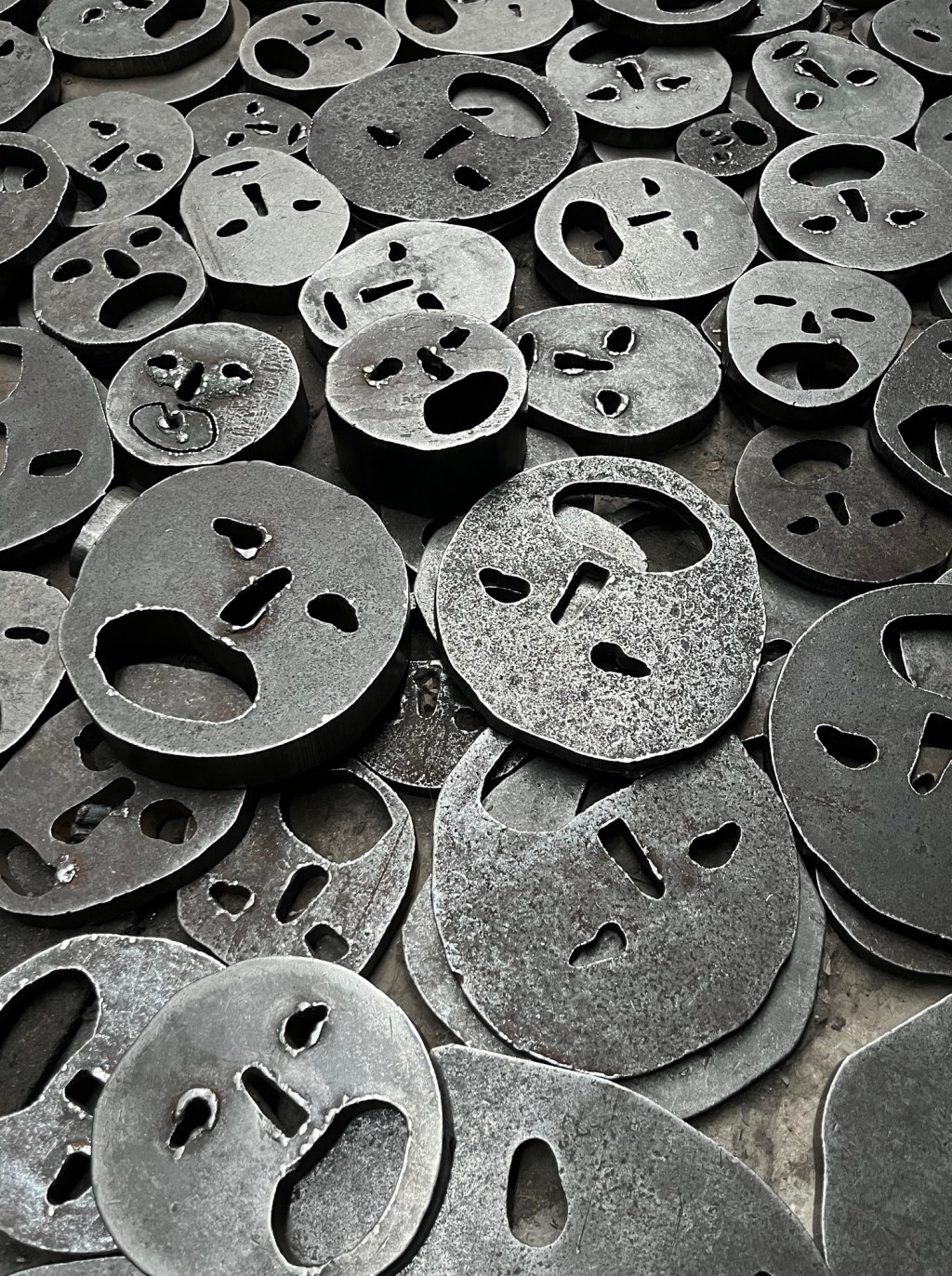
Bestialisation is a rhetorical apparatus of neuronormative-racist-speciesist oppression which, by assimilating neurodivergence and/or so-called ‘non-white races’ with the bêtes (stupid/beasts), simultaneously dehumanises neurodivergent people and racialised people and negatively animalises nonhuman animals.
-
From neurodivergent speciesism to neurodivergent veganism
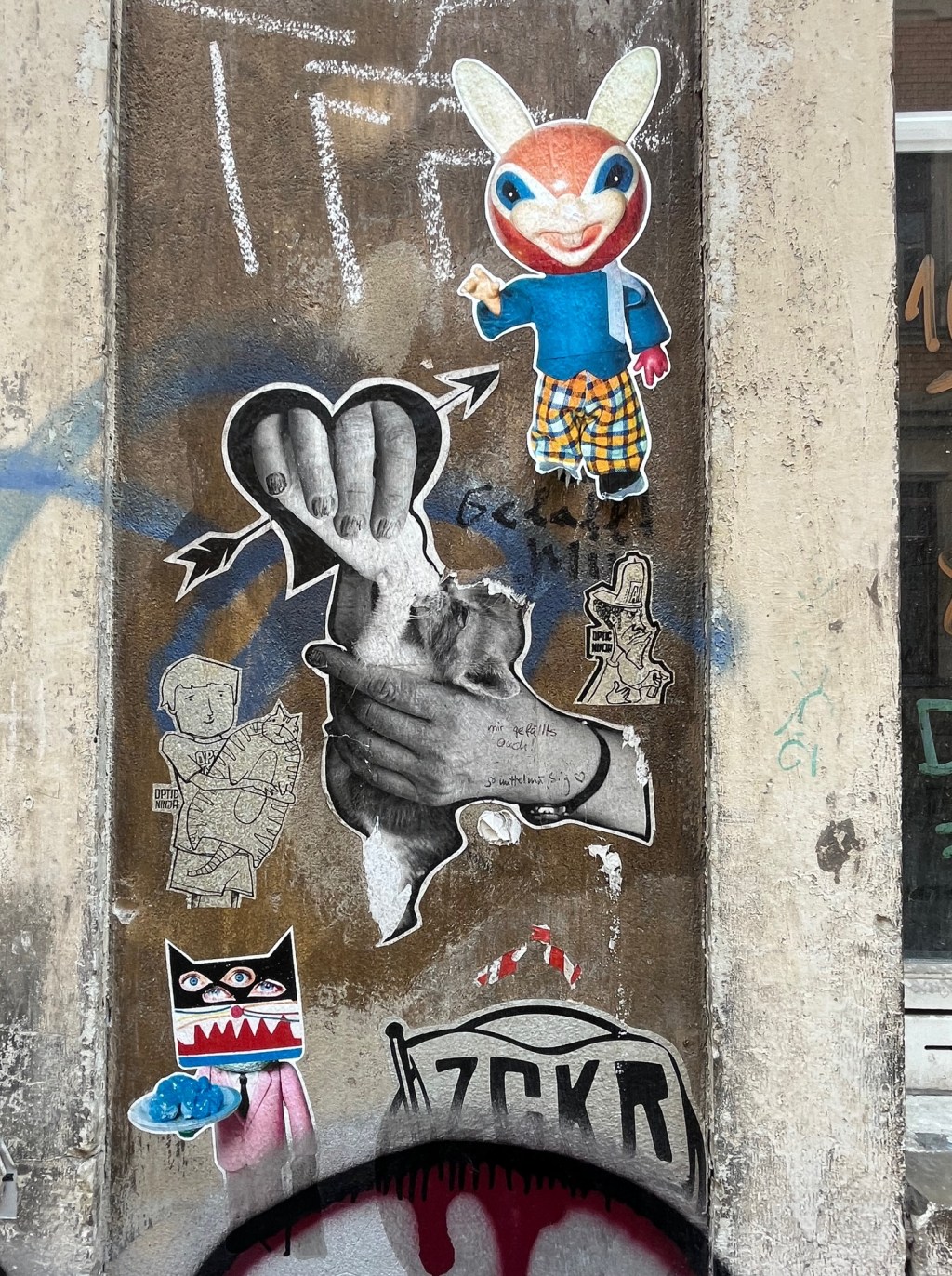
Neurodivergence is increasingly mobilised to support ethico-political agendas related to animal politics. This blog post proposes new concepts to identify these growing trends and position ourselves in these important new debates.
-
What is pathology lite?
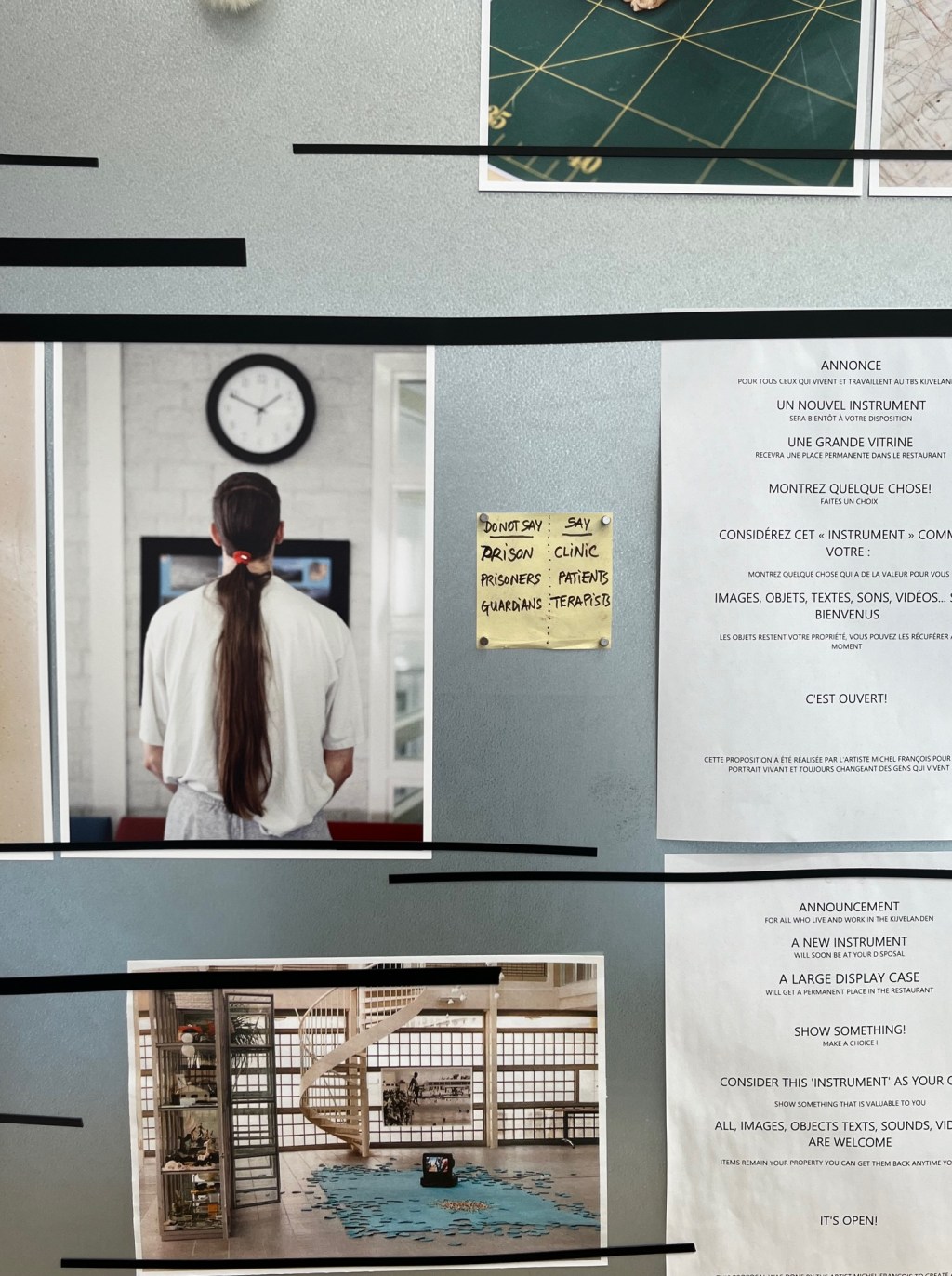
Pathology lite complements the now well-known concept of neurodiversity lite. It highlights equally risky ways that scientific discourse and practice can subtly reinforce harm against neurodivergent people, often without being described as such.
-
From the Autistic Umwelt to Autistic Worldings
To finish this month’s series, let’s ask the big question: In what worlds do autistics live? Is there such a thing as an autistic Umwelt – a world of meaning created by the autistic subject? Or should we rather speak of autistic worldings – practices of worldmaking where the boundaries between the subject and the…
-
Weathering the world: how autistic people de/acclimatise to the climate
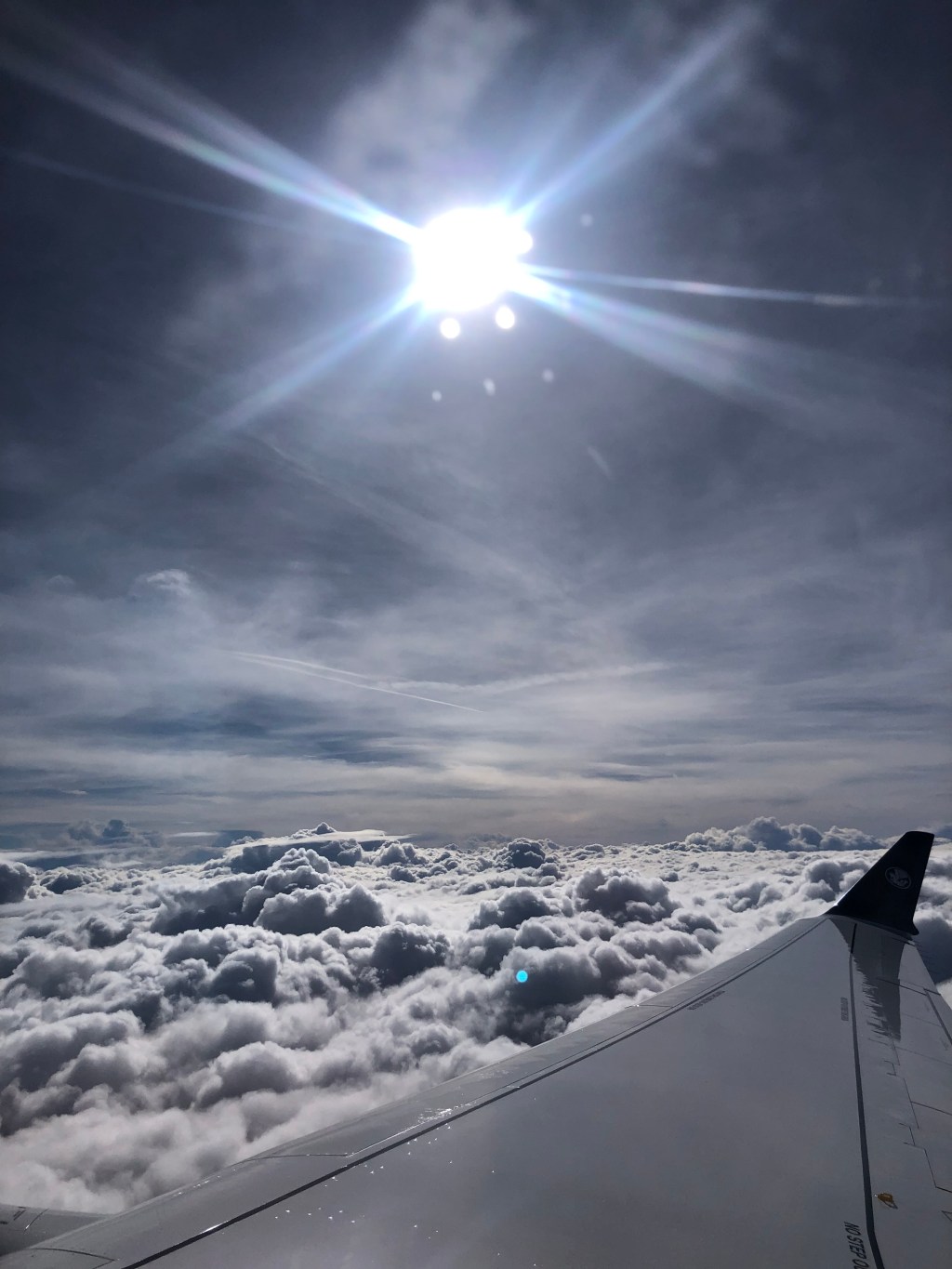
The concept of weathering, developed by Astrida Neimanis with Rachel Loewen Walker (2013) and Jennifer Mae Hamilton (2018), can help us think about the ways autistic people relate to the climate, including the oppressive socio-political climate.
-
Subverting the autistic bubble metaphor (II): the Intense World Theory of Autism
Developed by neurobiologists Kamila and Henry Markram (2010), the Intense World Theory of Autism sheds a new light on autistic being-in-the-world, despite not avoiding pathologising rhetoric.
-
Subverting the autistic bubble metaphor (I): the Umwelt Theory

The ableist metaphor of the autistic bubble suggests that autistic individuals are fundamentally disconnected from the real world. It portrays a form of solipsism which neglects the various ways autistic people engage and negotiate with their environments.
-
What is ethodiversity?
With the concept and framework of ethodiversity, I am trying to contribute to a more-than-human and more-than-neurological turn in neurodiversity studies.
-
For a More-Than-Neurological Turn in Neurodiversity Studies

It is not uncommon for neurodivergent people to explain their ND traits or experiences of disability by saying ‘my brain is just wired that way’ (Able Magazine, n.d.; Melina 2023; Slaton 2021). While the neurodiversity paradigm was historically based on neurology, this neurocentrism is perhaps no longer the emancipatory move it once was.
-
For a More-Than-Human Turn in Neurodiversity Studies

Neurodiversity has been described as ‘a biological truism that refers to the limitless variability of human nervous systems on the planet’ (Singer, n.d.). While most animals have nervous systems, neurodiversity is often restricted to humans. Why is that?
All my posts
- What is bestialisation?
- From neurodivergent speciesism to neurodivergent veganism
- What is pathology lite?
- From the Autistic Umwelt to Autistic Worldings
- Weathering the world: how autistic people de/acclimatise to the climate
- Subverting the autistic bubble metaphor (II): the Intense World Theory of Autism
- Subverting the autistic bubble metaphor (I): the Umwelt Theory
- What is ethodiversity?
- For a More-Than-Neurological Turn in Neurodiversity Studies
- For a More-Than-Human Turn in Neurodiversity Studies
